Building a smart outline for promotional games and puzzles
When we think about branded merchandise, our minds often jump straight to pens, mugs and tote bags. But games and puzzles offer something different: a chance to make people smile, slow down, and spend real time with your brand. At Epsom Incentives, we have seen firsthand how a simple wooden puzzle or a colourful deck of cards can create a lasting impression that a plain pen never could. This article sets out a clear outline for why games and puzzles deserve a place in your promotional strategy, and how to choose the right ones for your goals.
Our aim here is to walk through the thinking behind playful promotional items, show you real examples from our own range, and explain why this category keeps growing in popularity. Whether you are stocking a reception area, planning a trade show giveaway, or building a staff wellbeing box, there is a puzzle or game that fits the bill.
The framework behind why play works so well
There is a simple framework that explains why games and puzzles succeed as promotional tools where other items sometimes fail. People do not throw away something that made them think, laugh, or compete with a colleague. A branded stress ball gets squeezed once and forgotten. A branded puzzle gets passed around the office, discussed, and remembered.
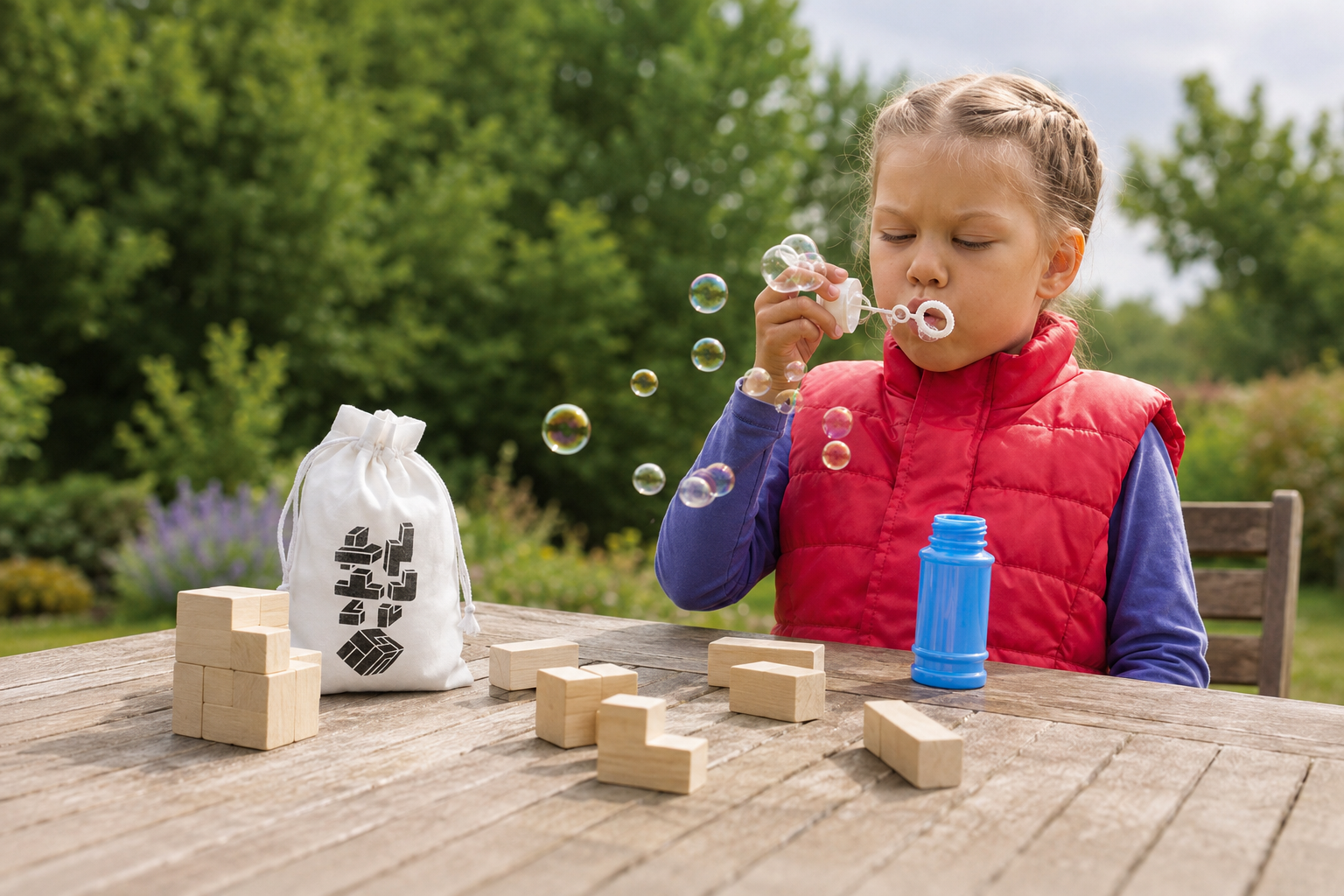
The first argument in favour of games and puzzles is engagement. Unlike a static item, a game asks something of the person holding it. Take the wooden brainteaser puzzle as an example. It sits on a desk looking harmless, then someone picks it up during a quiet moment, and suddenly the whole team is trying to solve it. That kind of interaction cannot be bought with a cheap keyring.
Supporting evidence from everyday office life
We hear this from clients all the time. Items that require a bit of thought or skill tend to stay visible for far longer than passive gifts. A branded pen gets used and put in a drawer. A puzzle gets left out because it sparks conversation. Visitors ask about it, staff compete over it, and your logo stays in view the entire time. This is the kind of quiet, repeated exposure that builds brand recall without any hard selling involved.
A second reason: shared experiences build stronger memories
The second major point worth making is about shared experience. Games are rarely a solo activity. Even something as small as a bubble blower at a summer event draws people together, especially families and children at outdoor shows. When people share a moment of fun around your branded item, they associate that positive feeling with your company, not just the object itself.
Evidence from event marketing
At outdoor festivals, fairs and community days, we regularly see simple toys create more footfall at a stand than glossy leaflets ever could. A colourful rainbow spring toy catches a child’s eye, the parent stops to watch, and suddenly there is a natural conversation starter between your team and a potential customer. It sounds small, but these little moments add up to genuine brand warmth that is hard to manufacture through traditional advertising.
Games and puzzles as a category worth taking seriously
Games and puzzles are not a filler category tucked away at the back of a catalogue. They deserve proper attention because they cover such a wide range of settings, budgets and audiences. A deck of branded playing cards works just as well as a corporate client gift as it does a giveaway at a pub quiz night sponsored by your business. The flexibility is part of the appeal.
Why this matters for brand recognition
One of the biggest strengths of this category is the sheer variety of settings where these items get used. Playing cards come out at family gatherings, on holidays, in waiting rooms. Every time that happens, your branding travels somewhere new. This is a very different kind of exposure compared to an item that simply sits on a shelf.
Emerging trends in branded games and puzzles
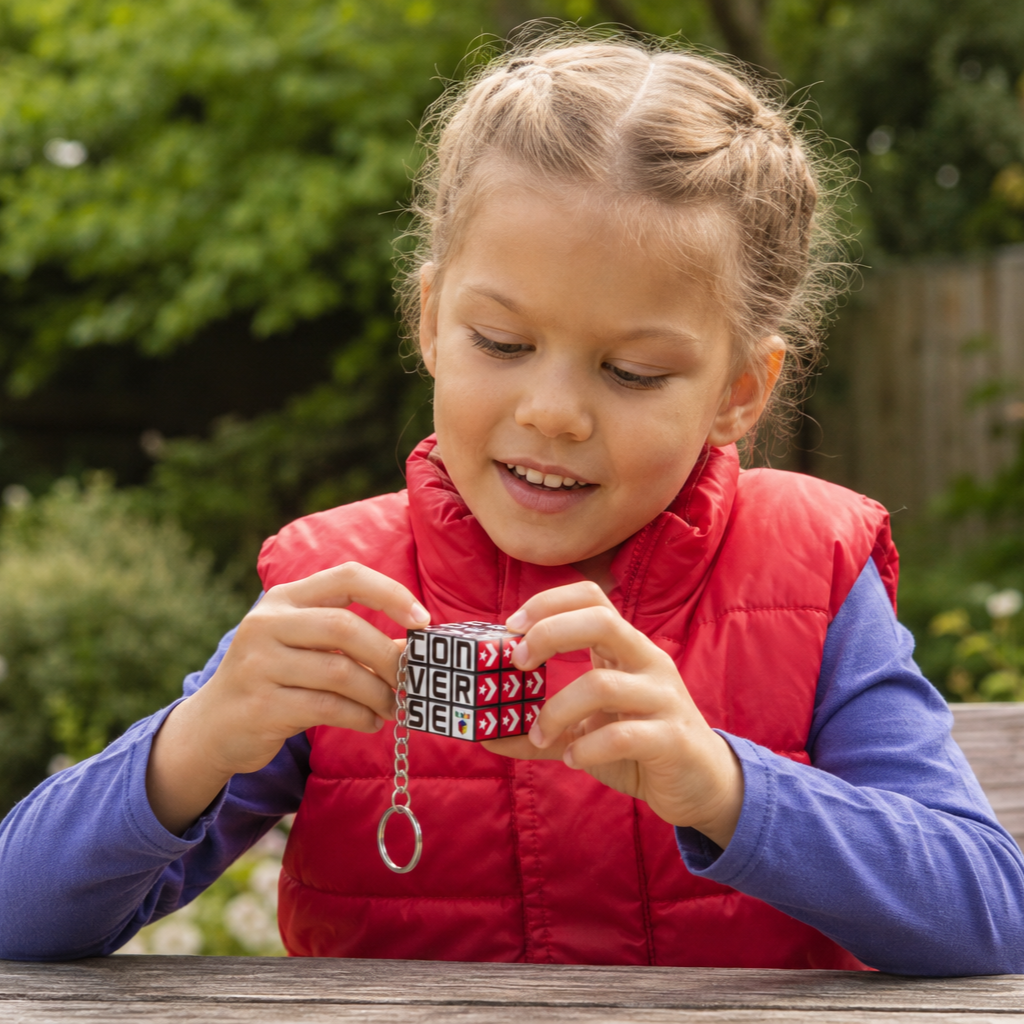
One trend we have noticed growing steadily is the demand for recognisable, trusted brands within the promotional space. This is where licensed products come into their own. The Rubik’s Cube is a perfect example: a puzzle almost everyone recognises on sight, carrying decades of nostalgia and credibility that a generic puzzle simply cannot match.
We offer several versions to suit different budgets and campaigns. For smaller giveaways or add-on gifts, the Rubik’s Cube keychain works brilliantly, small enough to clip onto a bag yet still instantly recognisable. For a slightly bigger impact, the full-size UK stock Rubik’s Cube offers quick turnaround for time-sensitive campaigns. And for larger orders where budget flexibility matters more than speed, the imported Rubik’s Cube option gives businesses a cost-effective way to hand out a genuinely well-loved product at scale.
Challenges to think about before you choose
It would not be fair to pretend every game or puzzle suits every campaign. There are a few genuine challenges worth weighing up. Budget is the obvious one: licensed products like the Rubik’s Cube carry a higher unit cost than a basic puzzle, so it is worth matching the product to the value of the relationship you are building with the recipient.
Another challenge is audience fit. A bubble blower is perfect for a family fun day but would feel out of place at a formal business conference. A wooden brainteaser might delight an office full of engineers but go unnoticed at a children’s charity event. Thinking carefully about who will actually receive the item, and where they will use it, makes a real difference to how well the campaign performs.
Lead times matter too. Imported items generally need longer to arrive than stock items, so planning is worth the effort if you want to avoid a last-minute scramble before a launch date or trade show.
Pulling the outline together into a working plan
So how do you turn all this into a practical plan for your own business? Start by asking what you want the item to achieve. If you want quiet, long-term desk presence, something like the wooden brainteaser fits well. If you want a memorable moment at an outdoor event, the bubble blower or rainbow spring will do the job. If you want something that travels well beyond the workplace and gets used socially, playing cards are hard to beat.
Budget and timing should guide which Rubik’s Cube option makes sense, if a licensed product is the right fit for your campaign. And if you are still deciding what direction to take, browsing the full games and puzzles range gives a clear sense of what is available across different price points and styles.
We always encourage clients to think about the full picture rather than picking an item in isolation. A well-chosen game or puzzle works best as part of a wider plan that considers your audience, your event, and the message you want people to remember once the fun is over.
Bringing it all together with Epsom Incentives
Games and puzzles give your brand something that most promotional items cannot: genuine engagement, shared moments, and lasting visibility in places you might never have expected. From a small wooden brainteaser sitting on a desk to a full-size Rubik’s Cube handed out at a major event, these products carry your name into everyday conversations in a way that feels natural rather than forced.
We would love to help you find the right fit for your next campaign. Take a look through our full site at Epsom Incentives and get in touch with our team to talk through your ideas. Whatever your budget or audience, we can help you turn a simple game into a memorable piece of branded marketing that people genuinely want to keep.