Why Exhibition Badges Matter at Every Event
When we plan a trade show or corporate event, we often think about stands, speakers, and marketing materials first. Yet one small item quietly shapes the entire experience. Exhibition badges. These simple tools guide how people meet, move, and interact throughout the event.
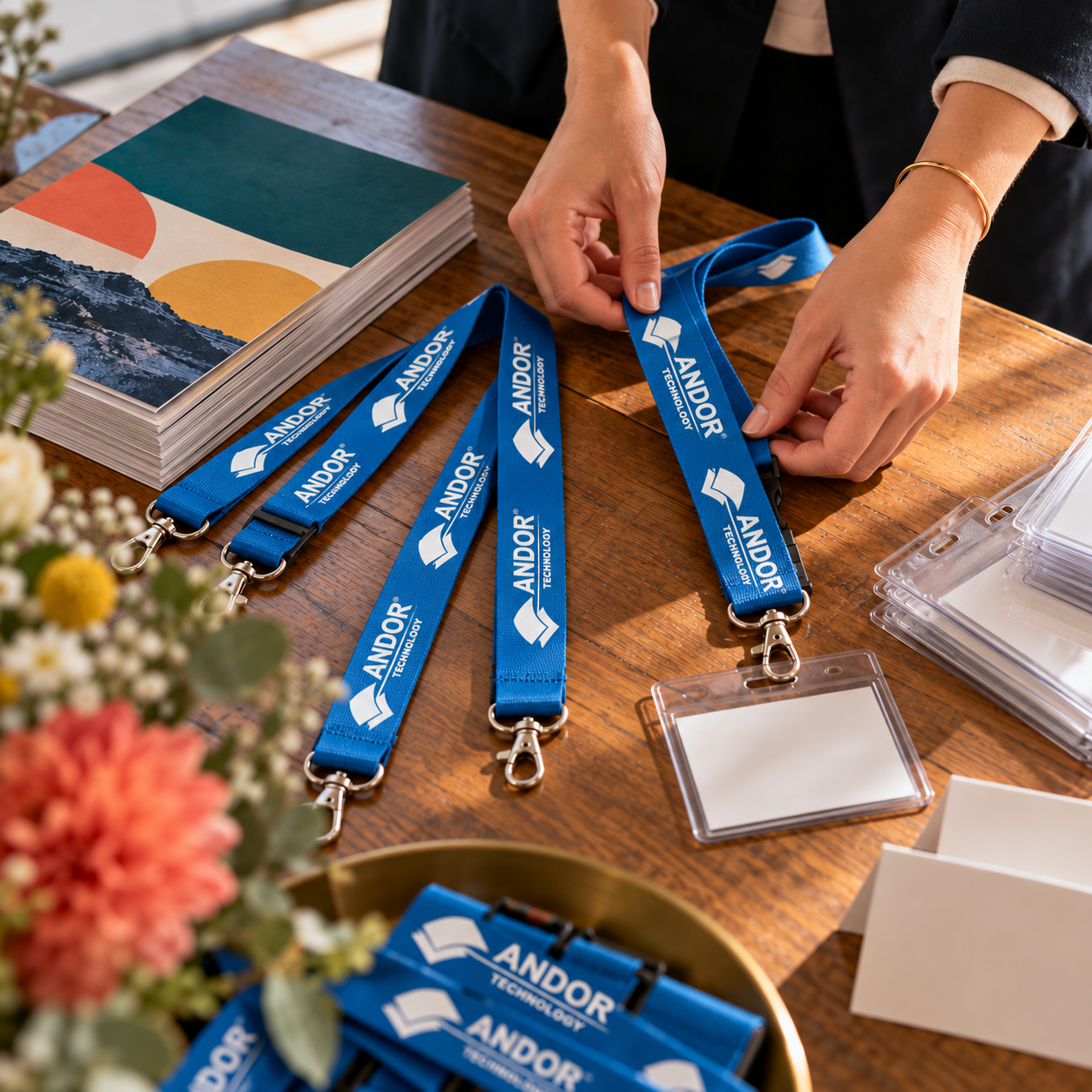
Exhibition badges are more than just name tags. They help attendees feel confident when approaching others, as they provide instant clarity about who someone is and why they are there. A clear badge removes awkward introductions and opens the door to natural conversation.
From our work at Epsom Incentives, we have seen how the right badge design can change the atmosphere of an event. A well-made badge adds a layer of professionalism, while a poor one can create confusion and missed chances to connect.
Badges also support security and access control. Staff can easily spot who belongs in certain areas, which reduces risk and keeps everything running smoothly. For busy venues, this is not just helpful; it is necessary.
Exhibition badges and Event accreditation in modern events
Event accreditation is the backbone of any organised exhibition. Without a clear system, entry points become crowded, and staff struggle to manage access levels. Exhibition badges link directly to this process.
When each attendee wears a badge with their name, company, and role, staff can quickly verify who they are. This saves time at entrances and avoids long queues. It also means exhibitors, speakers, and VIP guests can be recognised instantly.
Modern event accreditation often uses badges with scannable features such as QR codes or embedded chips. These allow event teams to track attendance, manage entry zones, and even record session visits. This reduces paperwork and speeds up the entire process.
We often recommend starting with a strong base product, such as those found in a range of exhibition badges, then building on it with custom features. By doing this, event organisers can match both security needs and branding goals.
Designing Exhibition badges that stand out
Good design is not about being flashy. It is about clarity, comfort, and consistency. When designing exhibition badges, we always focus on making them easy to read from a short distance. Names should be bold, and company details should be clear without clutter.
Materials also play a big part. A sleek option like a domed metal name badge adds a polished look and gives a strong first impression. These are perfect for professional settings where image matters.
For events where badges need to be reused or updated, a matt-faced window badge offers a practical solution. It allows organisers to swap inserts quickly without replacing the entire badge.
We also look at shape and fit. Curved designs, such as the curved name badge, sit comfortably and follow the natural line of clothing. This small detail makes a big difference during long event days.
At Epsom Incentives, we encourage clients to match badge design with their overall branding. Colours, fonts, and logos should feel consistent across every touchpoint.
Materials and styles that suit every event
No two events are the same, so badges should reflect that. A high-end business conference will have different needs from a community exhibition or a student fair.
Metal options, such as a metal-faced window badge, bring a premium feel and are built to last. These work well for staff and repeat exhibitors.
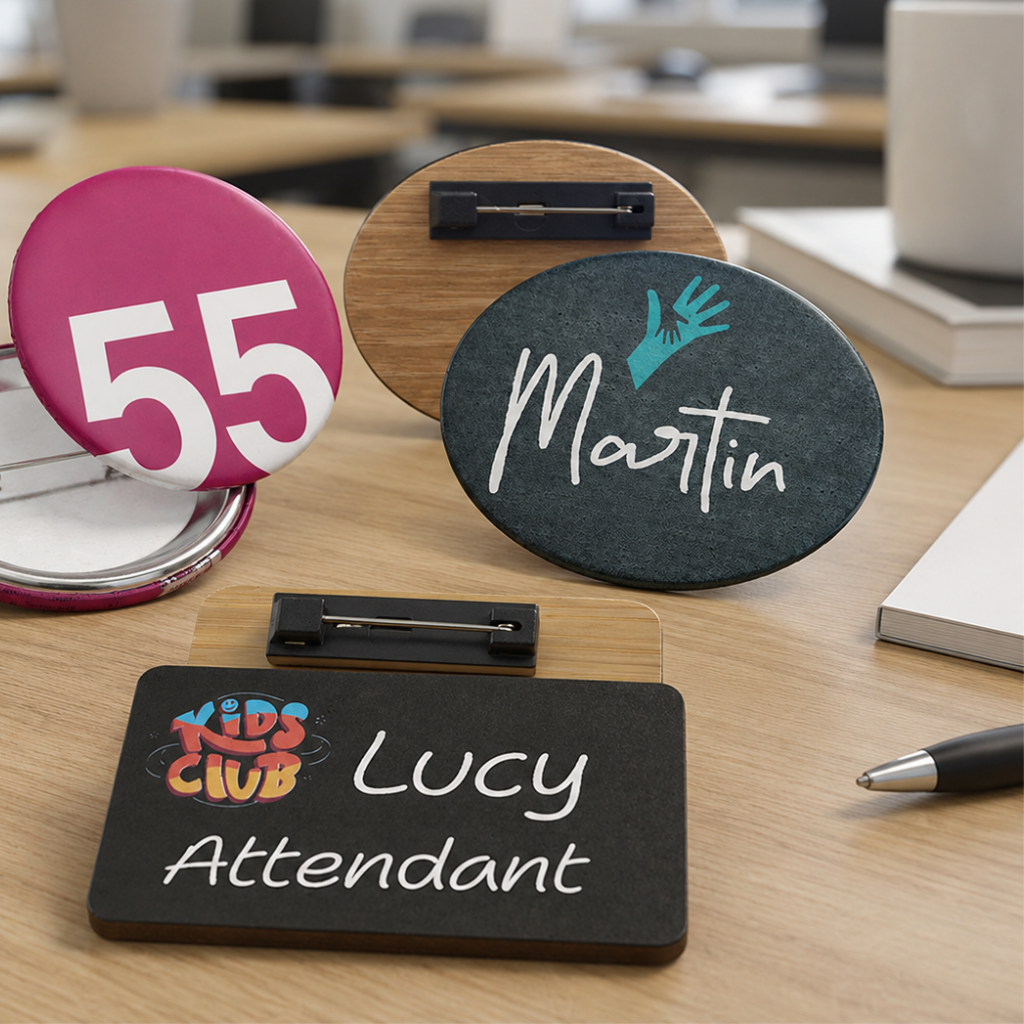
For eco-conscious events, sustainable materials are gaining attention. A great example is the reusable moso bamboo blackboard name badge. It offers a natural look while reducing waste.
Framed badges like the Excel framed name badge add structure and keep inserts protected. These are ideal when badges need to last for several days or for multiple uses.
For fast turnaround events, organisers may prefer express options such as the recycled rectangular window badge. This option combines sustainability with quick delivery.
Even simple designs like a 38mm button badge or a 55mm button badge can be effective. These are often used for promotional campaigns, staff identification, or themed events.
Technology and Event accreditation working together
Technology has changed how we use exhibition badges. Today, badges can do far more than display a name. They can store data, track attendance, and even support lead capture.
With QR codes, attendees can scan each other’s badges to exchange contact details. This saves time and removes the need for paper business cards. It also reduces errors when collecting information.
For larger events, NFC-enabled badges allow hands-free interaction with scanners. Attendees can tap their badge to enter sessions or receive digital content. This adds convenience and keeps everything organised.
Digital badges are also becoming more common. These can be stored on a smartphone, reducing the need for printed materials. While physical badges are still preferred for visibility, digital options work well as a backup or hybrid solution.
When we combine physical design with digital features, event accreditation becomes both secure and easy to manage. This approach supports organisers while improving the experience for attendees.
Real examples of Exhibition badges making an impact
We have seen many examples where well-planned exhibition badges made a clear difference. At one industry expo, colour-coded badges helped attendees identify sectors quickly. This led to more targeted conversations and better networking outcomes.
At another event, badges with QR codes allowed exhibitors to scan visitors and collect contact details instantly. This reduced follow-up time and improved lead quality.
There are also cases where sustainable badges have created positive feedback. Attendees appreciated reusable designs and felt that the event took environmental responsibility seriously.
These examples show that even small changes in badge design can shape how people experience an event.
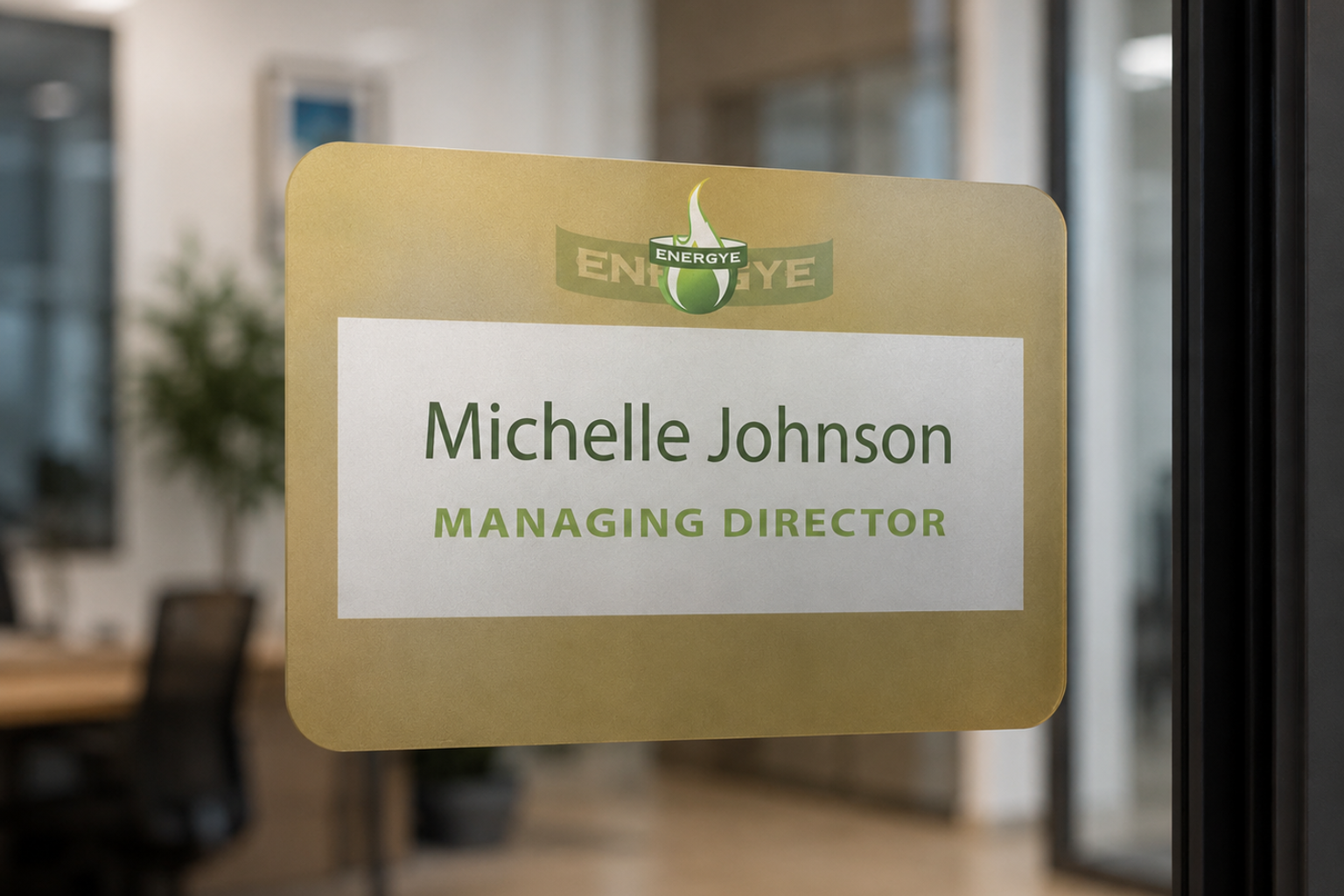
Common questions about Exhibition badges
What information should be included on a badge?
At a minimum, a badge should show the attendee’s name and company. Adding their role or job title can make conversations easier. For large events, including a colour code or symbol can help identify different groups quickly.
Are reusable badges worth it?
Yes, especially for recurring events or organisations with regular staff access needs. Options like window badges or bamboo designs can be updated and used again, which saves money over time.
How do badges support networking?
They remove the need for formal introductions. When people can see names and roles instantly, conversations start more naturally.
Are digital badges replacing physical ones?
Not fully. Digital badges are useful, but physical badges are still easier to see at a glance. Many events now use a mix of both.
Practical tips for choosing the right badge
Comfort should always come first. People wear badges for hours, so lightweight materials and smooth edges are important. Clips and fastenings should be secure without damaging clothing.
Clarity matters just as much. Fonts should be large enough to read from a short distance, and colours should not clash. A clean design always works better than a crowded one.
Sustainability is also worth considering. Recycled or reusable materials reduce waste and show awareness of environmental impact.
Budget is a key factor too. It is important to balance cost with quality. A slightly higher investment in better materials can improve how attendees perceive the entire event.
Working with a supplier like Epsom Incentives helps ensure that all these factors are taken into account.
Exhibition badges shape how people experience events in ways that are easy to overlook. They support event accreditation, improve security, and make networking smoother. When designed well, they also reinforce brand identity and leave a lasting impression.
From premium metal designs to eco-friendly options and technology-enabled features, there are many ways to create badges that suit your event. The key is to focus on clarity, comfort, and purpose.
If you are planning an event, take time to choose badges that match your goals. Explore different styles, materials, and features to find the right fit. With thoughtful choices, exhibition badges can turn simple introductions into meaningful connections.