Why safetywear matters in every workplace
We think safetywear is one of those things that people only notice when it is missing. Walk onto any building site, warehouse floor, or factory line, and you will see workers wearing helmets, gloves, boots, and bright vests. These items are not there by chance. They are there because they stop accidents before they happen and keep people going home safely at the end of their shift.
At Epsom Incentives, we work with businesses across many trades, and we have seen first-hand how the right gear changes the way people feel on the job. When workers know they are protected, they can focus on doing their work well rather than worrying about what might go wrong. Safetywear also sends a message to staff that their wellbeing matters, which tends to lift morale across the whole team.
The importance of personal protective equipment on site
Personal protective equipment, often shortened to PPE, is not just a nice extra. In most industries, it is a legal requirement. Employers have a duty to assess the risks in their workplace and provide the right gear to reduce those risks. This means the responsibility does not sit with the worker alone. It is a shared job between the business and the people it employs.
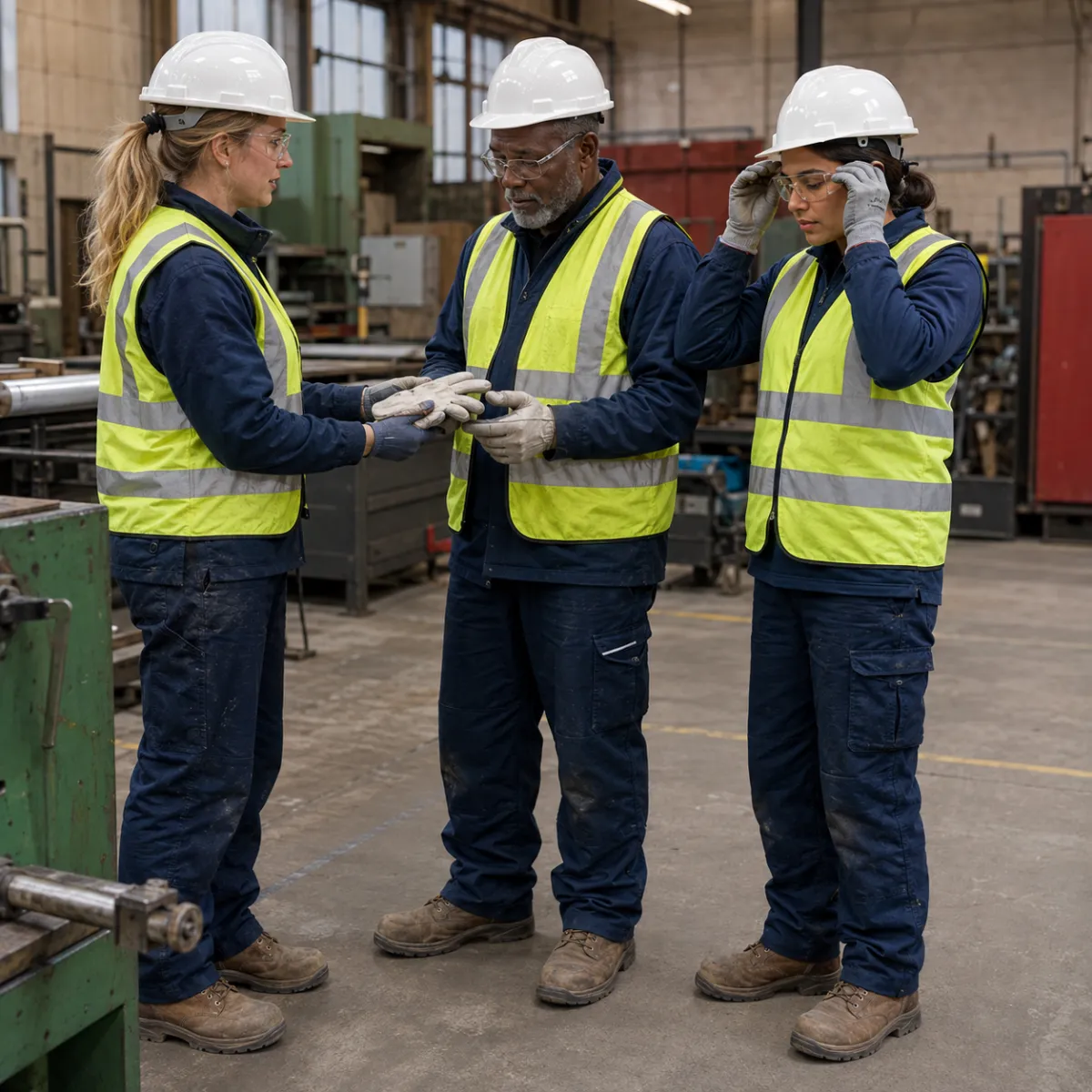
Reducing accidents is the main reason safetywear exists. A sturdy pair of boots can stop a foot injury from a dropped tool. A helmet can be the difference between a bump and a serious head injury. Gloves protect hands from cuts, burns, and chemicals. None of these items is complicated, but together they build a much safer working day for everyone involved.
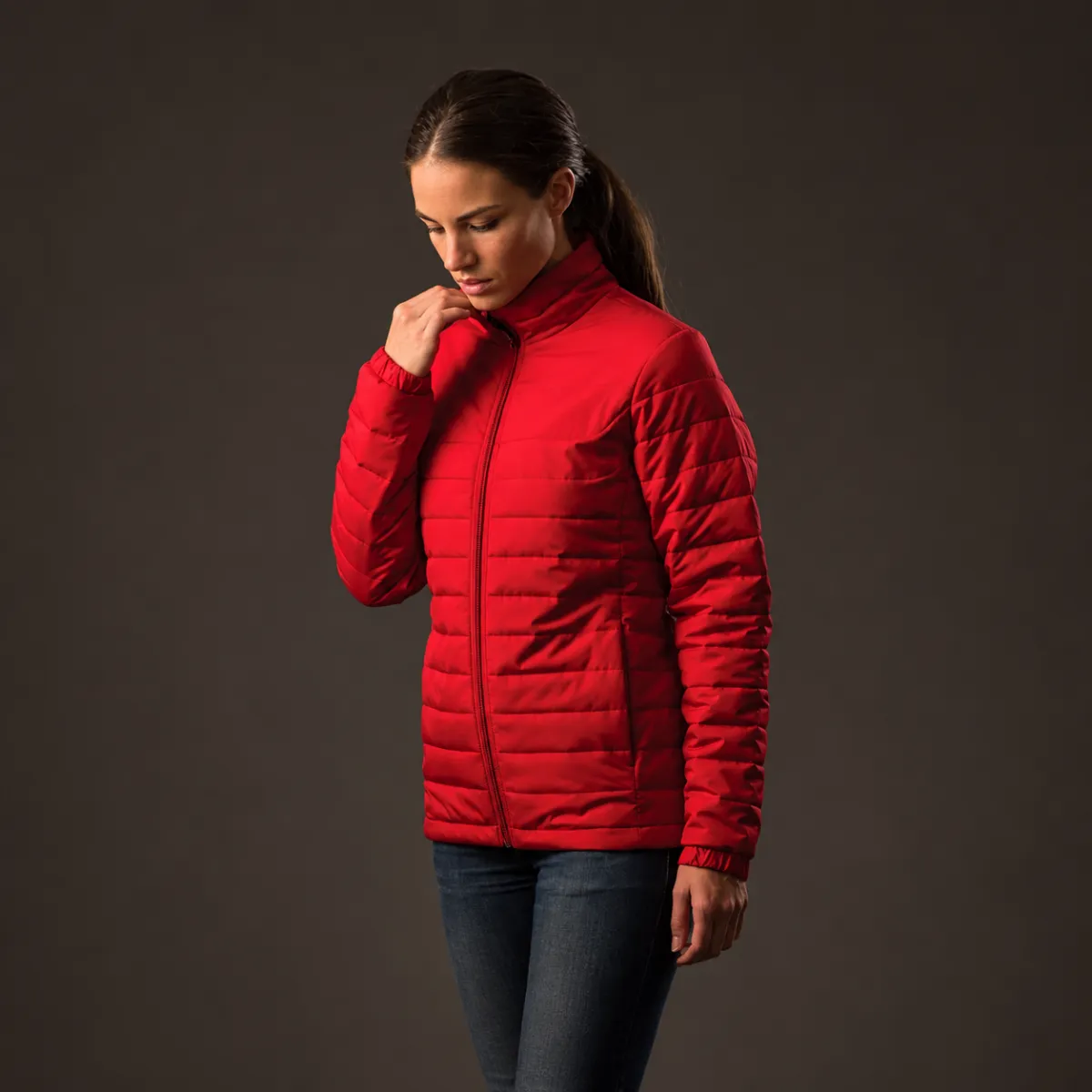
High visibility clothing deserves a special mention here. On busy roads, construction sites, or anywhere vehicles and machinery move around, being seen is just as important as being protected. A bright vest or jacket can catch the eye of a forklift driver or passing car in time to prevent a collision. This is why so many industries make high visibility wear a non-negotiable part of their uniform policy.
Types of safetywear and what each one protects against
Safetywear comes in many forms, and each type has a specific job to do. Helmets guard the head from falling objects. Gloves shield hands from sharp edges, heat, or harmful substances. Ear defenders reduce damage from loud machinery. Eye protection stops dust, sparks, and chemicals from causing harm. Each piece plays its own part, but together they form a complete shield around the worker.
Clothing itself is just as important as the smaller items. Trousers and shorts designed for tough conditions need to survive daily wear while still allowing freedom of movement. The Result Workguard Action Trousers are a good example of this, built with reinforced areas and practical pockets so workers can carry tools without the fabric wearing thin too quickly. For warmer months or indoor work, the Result Workguard Action Shorts offer the same durability while keeping workers cool and comfortable.
High visibility waistcoats are another staple. The Yoko Hi Vis Class 2 Waistcoat meets recognised visibility standards and is a common choice for sites where workers need to be spotted quickly from a distance. For environments where even greater visibility is needed, the Yoko Enhanced Vis Waistcoat offers an extra layer of brightness and reflective detail, which can make a real difference during early mornings, evenings, or poor weather.
The materials used in safetywear matter as much as the design. Fabrics need to resist tearing, cope with weather, and in some cases, resist flames or chemical splashes. Stitching and reinforced panels are often added in areas that face the most strain, such as knees and elbows. These small design choices add up to gear that lasts longer and performs better when it counts.
Choosing the right personal protective equipment for the job
Picking the correct safetywear is not a case of choosing the first item on the shelf. It starts with understanding the specific risks of a job. A construction worker faces different hazards than someone working in a food processing plant, so the gear needs to match the environment rather than following a generic checklist.
We always recommend thinking about three things when selecting gear: the type of hazard, how often the item will be used, and how comfortable it feels during a full shift. Comfort might sound like a small detail, but uncomfortable gear often gets left in a locker rather than worn properly. If workers find their trousers too stiff or their vest too tight, they may be tempted to skip wearing it, which defeats the purpose entirely.
It is also worth checking that any gear meets recognised industry standards. Labels and certifications exist for a reason, showing that an item has been tested against real-world hazards. This is especially true for high visibility clothing, where classes and ratings indicate how visible the garment will be in different light conditions. Businesses looking for a wide range of tested and reliable options can browse the full safety wear collection to compare styles and specifications side by side.
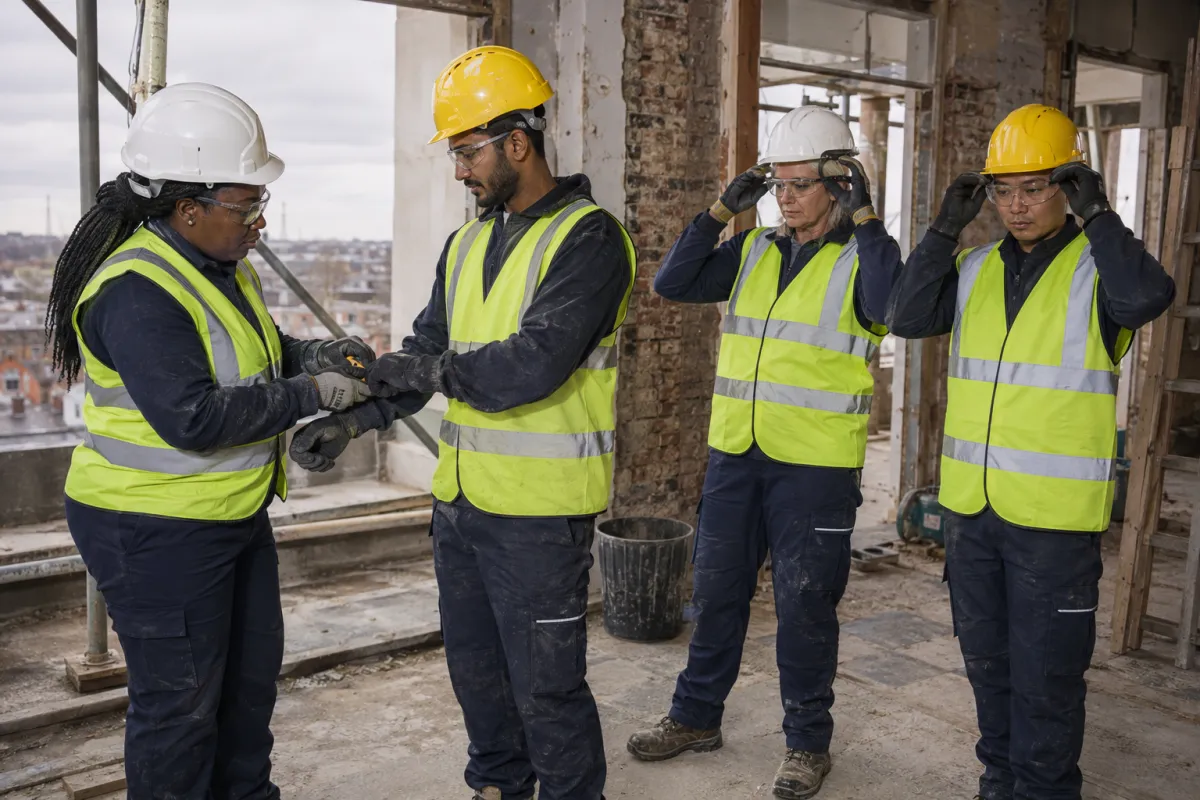
Looking after your safety gear so it lasts
Buying good gear is only half the job. Looking after it properly makes sure it keeps doing its work day after day. Regular washing according to the care label helps keep fabrics strong and reflective strips bright. Over time, dirt and grime can reduce the effectiveness of high visibility material, so a simple wash routine goes a long way.
Inspection is another habit worth building into any workplace routine. Checking gloves for tears, boots for worn soles, or vests for faded panels should happen regularly rather than only when something obviously breaks. Small signs of damage often appear before a larger failure, so spotting them early can prevent a bigger problem later.
Replacing worn-out items promptly is just as important as the initial purchase. Safetywear that has lost its strength or visibility no longer offers the same level of protection, even if it still looks wearable at first glance. Setting a schedule for replacing key items, rather than waiting until they fail, keeps a workplace consistently protected rather than leaving gaps in safety.
Bringing safetywear standards into daily practice
Safety standards are not something to set once and forget. Workplaces change, teams grow, and new hazards can appear as processes shift. Reviewing safetywear needs every few months helps businesses stay ahead of these changes rather than reacting after an incident occurs.
Training staff on how to wear and check their own gear also makes a real difference. When workers understand why a helmet needs to sit a certain way or why a vest must stay clean and visible, they are far more likely to wear it correctly every single day. This turns safetywear from a rule imposed from above into a habit that people actually believe in.
We find that businesses who treat safety as an ongoing conversation, rather than a box to tick, tend to see fewer incidents and a more confident workforce overall. Small adjustments, such as updating a vest style or switching to more breathable trousers, can keep comfort levels high while still meeting every safety requirement.
Bringing it all together with Epsom Incentives
Safetywear plays a simple but powerful role in every workplace. It protects people from harm, keeps businesses within legal requirements, and helps teams feel confident while they work. From helmets and gloves to trousers, shorts, and high visibility waistcoats, every item has a clear purpose, and choosing the right combination makes a real difference to daily safety.
If your business is ready to review its current gear or update older stock, we would love to help. Take a look through our full shop to see the full range of safety and workwear options available, and get in touch with our team at Epsom Incentives whenever you need advice on choosing the right protection for your team.